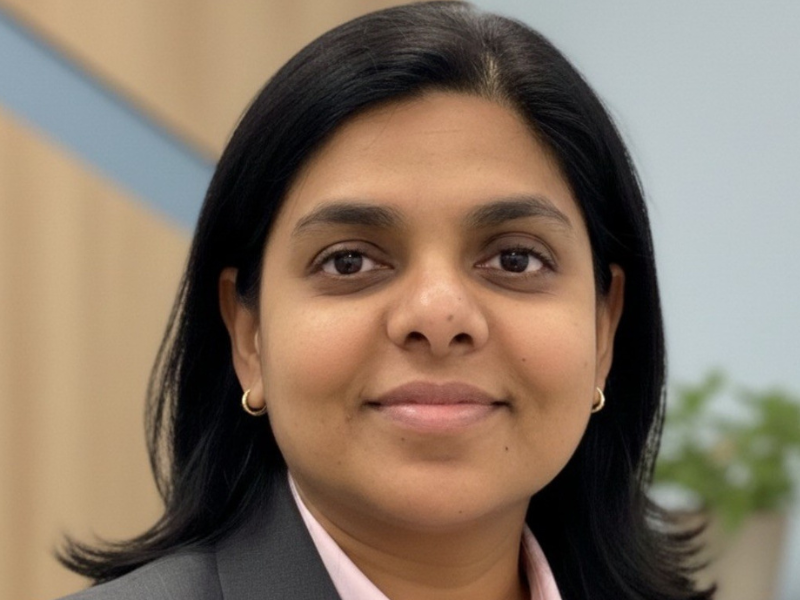
As part of I AM’s mission to share and understand the full spectrum of autism experiences with the wider world, we’re proud to continue I AM Profiles – a series of in-depth conversations featuring voices from across the autistic community and beyond. In this edition, we speak with Renuka Devi Gopalakrishnan, a Neurodivergent Navigator at CAMHS Salford whose own experience of navigating the system as a parent became the foundation for a role designed to help other families find their way.
The Salford navigator who turned a parent’s overwhelming journey into a map for others – and is helping neurodivergent families feel informed, confident, and never alone.
⏱ 12 min read
📍 Salford, Greater Manchester
—————————————- What is a Neurodivergent Navigator? ————————————–
01 What is a Neurodivergent Navigator – and why does this role matter right now?
A Neurodivergent Navigator is a dedicated professional who offers considerate, knowledgeable guidance to families as they move through the often complex landscape of neurodiversity. This includes helping families understand assessment pathways, educational procedures, and the wider structures involved in accessing support.
Given the increasing complexity and duration of these processes, the Navigator provides clarity, reassurance, and stability at each stage. Families may feel overwhelmed or unsure of what to expect, and the Navigator helps to reduce this pressure by offering clear explanations and consistent communication – ensuring families feel supported, respected, and well informed throughout their journey.
A core element of the role is signposting: directing families towards the most appropriate supports based on their individual needs. Through this combination of guidance, signposting, and empathetic support, the Navigator helps families move forward with greater confidence and understanding.
2. What made you want to step into this role personally?
Nine years ago, in 2017, my child was referred for assessment. As I began to understand the process – the long waiting list, and the reality that support often only comes after a diagnosis – I felt completely overwhelmed. I remember thinking: “Does a vulnerable young person have to put their growth on hold until the system says they’re allowed help?” That question stayed with me.
At that time, I strongly believed that support should be based on a child’s individual needs rather than dependent solely on a formal diagnosis. So with no clear direction, I made the decision to home educate my son. I spent countless hours learning about his needs, his strengths, and his challenges, and slowly started adapting our environment to help him flourish.
Along the way, I met many families who were not struggling with their children – they were struggling with the system. It became clear to me that parents and carers often need just as much support as the young people do.
Now, eight years later, my young person has grown into himself beautifully. He has returned to school, navigating the education system with calm confidence. Those lived experiences – the challenges, the moments of doubt, and the moments of joy – made me realise I could offer something meaningful to other families. That is why I believe so strongly in this work.
3. What gap is this new post in Salford designed to fill?
This role helps bridge the crucial gap between recognising concerns and accessing meaningful support. Previously, many families were left waiting without clear guidance. Now, they have someone who can explain what is happening, what to expect next, and what practical steps they can take in the meantime – offering reassurance and signposting during a waiting period that can otherwise feel uncertain and overwhelming.
—————————————- Working with families ————————————–
I finally feel like I’m not failing. I just needed someone to show me the map.
4. What frustrations do you hear from young people and parents when they first reach CAMHS?
Parents often express that they have been trying to access help for a long time yet still do not fully understand the process. Many feel unheard or judged – and their frustration is rarely about their child. Families frequently say things like, “I don’t know what’s going to happen” or “I’m not sure about the future of my child” – which can be genuinely frightening.
Since joining CAMHS in December 2025, I have also witnessed first-hand the dedication, compassion, and relentless hard work of the professionals here. Every member of the team is genuinely committed to supporting neurodivergent young people and their families.
5. How does your role change the experience for families?
Rather than navigating everything alone, families now have someone who can walk alongside them throughout the process. I aim to explain information in clear, accessible language, help them identify their current challenges, and signpost support based on their capacity and circumstances. I also connect them with community resources that may be helpful. This often strengthens families’ confidence to continue advocating for their young person.
6. Can you share an example of how navigation has helped someone feel less lost?
There was a parent who came to me completely overwhelmed – by school meetings, paperwork, and the feeling of not knowing where to start. After our discussions, they said: “I finally feel like I’m not failing. I just needed someone to show me the map.”
Nothing about their child changed overnight. Their confidence and approach did – and that made a huge difference.
—————————————- A different kind of support ————————————–
7. What does neurodivergent-affirming support look like in practice?
It begins with the understanding that neurodivergence is not something to be corrected or fixed. Instead, the focus is on adapting the environment so that the young person can thrive as they are. This may mean offering sensory breaks, providing meaningful choices, allowing them to communicate in ways that feel natural to them, and genuinely valuing their interests.
It reflects a shift away from the traditional “let’s make them comply” mindset, towards an approach where small, thoughtful adjustments create a more supportive and enabling experience. Neurodivergent individuals are not disordered or disabled – they simply experience and interact with the world differently, with their own unique abilities and strengths.
Does a vulnerable young person have to put their growth on hold until the system says they’re allowed help?
8. What would you say to parents who worry their child will be labelled?
A label does not define who a child is. It simply helps others understand them more accurately and respond to their needs with greater sensitivity. For many families, receiving a diagnosis can reduce certain barriers by unlocking access to the support, adjustments, and opportunities that might otherwise be difficult to obtain.
It is not about placing a child in a box or limiting who they can become. Instead, it provides direction – helping professionals, educators, and the wider community meet the young person where they are. It offers families a clearer pathway forward and greater confidence as they continue navigating the world alongside their child.
09. What do you wish autistic young people knew about CAMHS and your role?
I want them to know they never have to pretend or mask who they are. CAMHS is not here to judge them. I also want them to understand that the waiting is not intentional – it is simply part of the process, and during that time there are supports they can still access. My role is to help them feel safe, informed, and empowered throughout their journey. They are welcome to show up exactly as they are.
You are not alone. CAMHS is here to walk alongside your family.
—————————————- Community and connection ————————————–
10. How important are community organisations in supporting neurodivergent young people?
Community organisations play an essential role. They offer a sense of belonging, connection, and enjoyment that clinical services alone cannot always provide. These groups create safe, accepting spaces where young people can be themselves, build confidence, and form meaningful relationships at their own pace. They also provide families with reassurance and practical support between clinical appointments – complementing clinical care and forming a vital part of a young person’s wider support network.
11. Why do groups like I AM Celebrating Autism matter?
Because young people need spaces where they feel genuinely accepted and understood. Groups like I AM offer an environment where their differences are embraced, their strengths are recognised, and they can be themselves without pressure or expectation.
These spaces provide a sense of safety and belonging that many young people may not experience elsewhere – allowing them to grow, connect, and express themselves freely. For many, it becomes the first place where they feel truly seen for who they are. And that can make an extraordinary difference to their confidence and wellbeing.
12. What value do you see in the new Salford Youth Club for autistic young people?
The Salford Youth Club offers something uniquely valuable – opportunities for natural friendships, low-pressure social interaction, and a safe space simply to enjoy themselves. While clinical services focus on assessment and therapeutic support, the youth club creates an environment where young people can socialise at their own pace, free from expectations or judgement.
For many, it becomes the first place where they feel socially safe, understood, and genuinely included. That sense of safety and belonging can have a profound impact on their wellbeing, confidence, and overall development.
13. What would you say to a parent who’s unsure if their child is “ready” for the youth club?
“Ready” doesn’t have to mean confident – it simply means being willing to give it a try. The environment is calm, flexible, and thoughtfully designed for young people who may feel anxious. They are free to join in at their own pace, with no pressure and no expectations.
They are welcome to show up exactly as they are.
14. How can spaces like this complement therapeutic or navigational support?
They give young people real-world proof that they are not alone. Meeting others who think or communicate like they do can be incredibly validating. That sense of belonging often makes therapeutic work easier – because the young person feels understood beyond the clinic.
—————————————- Looking ahead —————————————-
15. What small steps can parents take if they feel overwhelmed while waiting for assessments?
Small steps can make the journey feel more manageable. Taking time to understand your child’s sensory needs, keeping a simple diary of what helps and what doesn’t, connecting with local support groups, allowing yourself moments of rest, and noticing small wins can all provide gentle stability during an overwhelming time. You don’t need to do everything at once. Small, compassionate steps – and fine-tuning for greater gains.
You are not alone. CAMHS is here to walk alongside your family – providing clear information, compassionate guidance, and steady, practical support at every stage of your child’s journey, so you feel informed, understood, and confidently supported throughout.
17. What would success look like for this role in the next few years?
Success would mean families feeling confident rather than confused, and young people feeling understood rather than pathologised. Ideally, no one should fear being neurodivergent. Instead, they should feel recognised, valued, and supported.
From a service perspective, success also means teams working together more seamlessly, creating clearer, kinder, and more coordinated pathways for families. Ultimately, success is when navigation becomes a standard, integrated part of support – consistently accessible to every family who needs it.
18. What gives you hope when working with neurodivergent young people?
What gives me hope is the honesty, creativity, and completely unique way neurodivergent young people experience the world. When they receive the right support, you can see them open up in the most remarkable ways. Their confidence grows, their strengths shine, and they begin to thrive with pride in who they are.
Watching that transformation – and seeing families regain hope alongside them – reminds me every day that with understanding and the right environment, these young people can flourish far beyond what they ever imagined.
With understanding and the right environment, these young people can flourish far beyond what they ever imagined.
If you or someone you know is interested in taking part in I AM Profiles, get in touch at enquiries@i-am-autism.org.uk. To find out how I AM can offer support, contact us at admin@i-am-autism.org.uk or call 0161 866 8483.
Donate and support